Home inventory
A home inventory that builds itself
Most home inventory apps hand you an empty form. This one fills up as you photograph the things you were going to photograph anyway.
Get Keeplea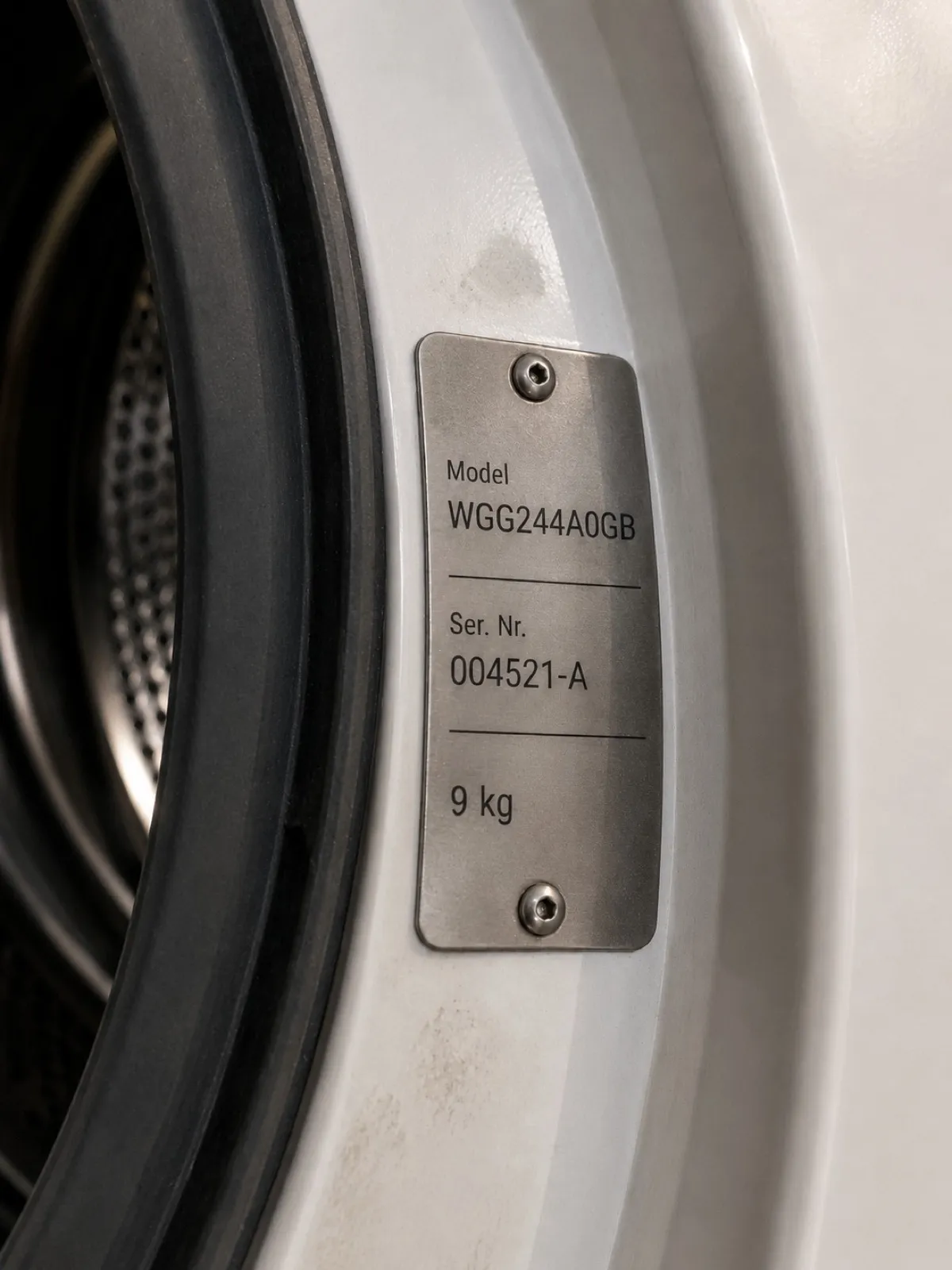
Everybody agrees a home inventory is a good idea. Almost nobody has one.
The form is the reason
Open any home inventory app and it gives you an empty list and a plus button. Behind the plus button is a form: name, category, room, purchase date, price, serial number, receipt, photo. Fill that in for the washing machine and you have one entry and a lost afternoon ahead of you. Most people stop somewhere around the third item, and the app becomes the thing they feel guilty about rather than the thing that saves them.
The inventory isn’t hard because your things are hard to describe. It’s hard because it’s a data-entry project that pays out years later, if ever.
Photograph it while you are already there
You’re behind the washing machine anyway, with a torch, because something is leaking. That’s the moment the plate is visible, and it’s the only moment you’ll ever willingly look at it.
Photograph it. Keeplea reads the model number, the serial, the capacity, and whatever else is stamped on it, and makes a card you can find later by asking. No form appeared, no fields were typed, and the inventory got one entry longer without anyone deciding to build an inventory.
Do that for a year — the boiler when it’s serviced, the dishwasher when it’s delivered, the router when it’s swapped, the paint when the room is done — and you have a record of your house that you never sat down to make.
What it is worth on the day
- A claim. Insurers ask what it was, when you bought it, and what it cost. The plate answers the first, the receipt beside it answers the rest.
- A repair. The part fits the model, not the appliance. The number is already there, and you aren’t on the floor with a torch at the point when the machine is broken.
- A move. What is here, what came with the house, and which of it you’re taking.
- A sale. Service history and warranty dates, without a shoebox.
What it is not
It doesn’t value your things, and it doesn’t do room-by-room templates with a completion percentage. There’s no insurer-ready PDF export today — if your insurer wants a formal schedule of contents, you’ll be assembling that yourself.
What it does instead is remove the reason the inventory never got made. A record built from photographs you were going to take is worth more than a perfect one you didn’t.
Start with the next thing you open
Not with an audit of the house. The next appliance you have a reason to look behind, the next delivery, the next tin of paint you open. It compounds from there.