You threw the packaging away. How to get the instructions back.
The bag had the ratio, the drying time and the coverage on it, and the bag is gone. Here's how to recover them, and what to photograph next time.
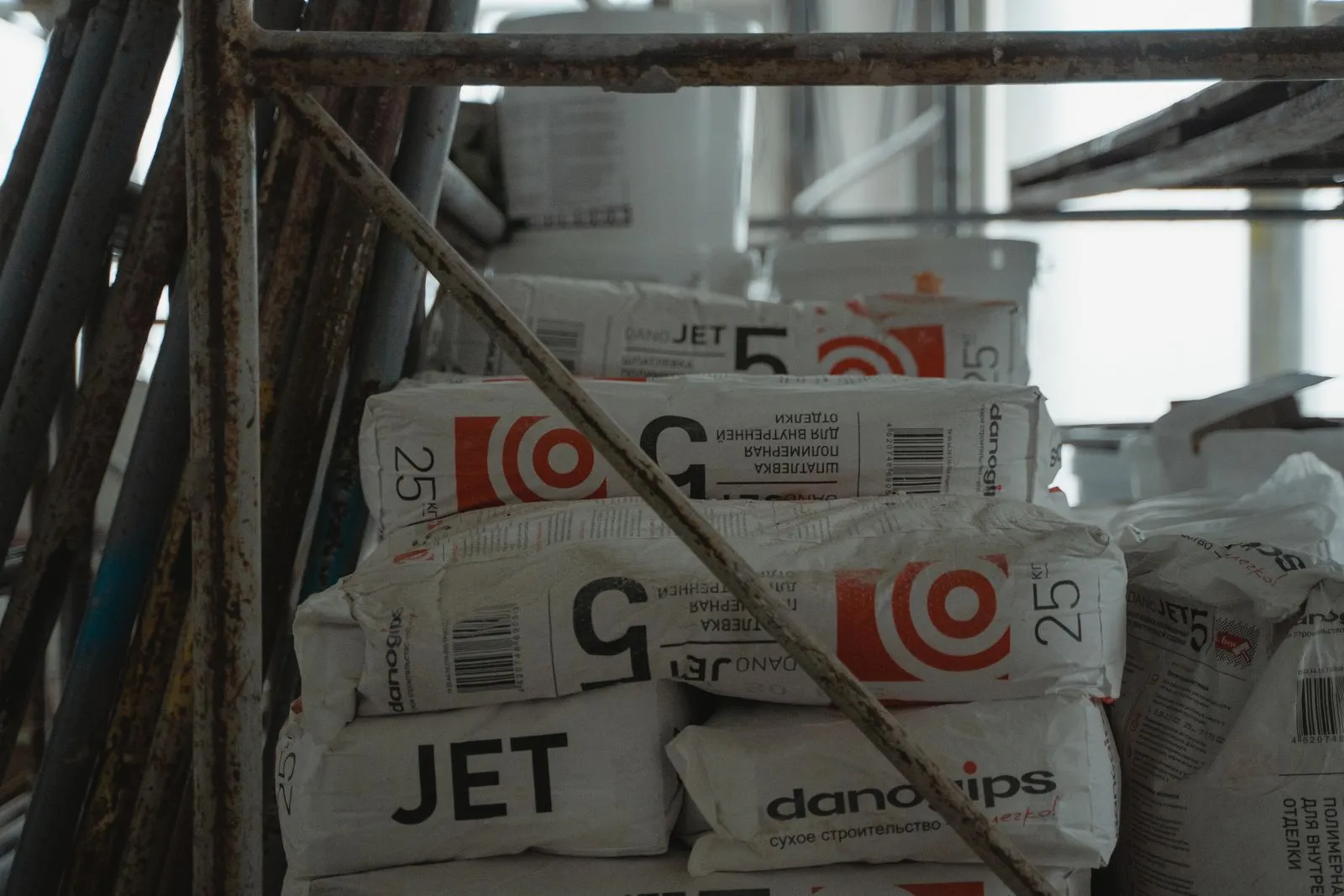
The short version: identify the exact product first — full brand and product line, not “the grey grout” — then find the manufacturer’s technical data sheet, which is a different and far more useful document than the back of the bag. Almost every building product has one, as a PDF, free.
The bag is gone. What you need off it is usually the ratio, the pot life, the drying time or the coverage.
Why this happens so predictably
Packaging is the only copy of the instructions, and it gets thrown away on the day the product stops being useful — which is months before you need it again. Half a bag of adhesive survives in the garage with the printing worn off. The tin gets recycled the week the room is finished.
Then something needs redoing, and the number you need was printed on a surface that no longer exists.
Getting the product name back
You can’t search for instructions until you know what it was.
- Order history and receipts. Merchants itemise building products in full, and trade counters keep years of it behind a login.
- The offcut or the residue. A tile with the range and shade printed on the back, a scrap of wallpaper with the batch on the edge, the ring of dried product in the bucket.
- Photos from during the work — including the accidental ones. The bag is often in the background of a picture you took of something else. Search your photos for the brand; both iPhone and Android read text inside images.
- Whoever did the work. Decorators, tilers and plasterers keep specs, and it’s a two-line message.
The data sheet is better than the bag
This is the part most people don’t know exists.
Manufacturers publish a technical data sheet for nearly every building product — a free PDF, more detailed than the packaging, with mixing ratio, water per kilo, pot life, open time, drying and curing times, coverage per unit, substrate requirements and temperature limits.
Search the exact product name plus “technical data sheet” or “TDS”. If the maker publishes a safety data sheet too, that’s the one with handling information, and it’s a legal requirement in most markets — so it exists even when the technical one is hard to find.
Two cautions. Formulations change, so check the sheet’s revision date against roughly when you bought it. And a product sold under different names in different countries may have different sheets — match the market you bought in.
When you genuinely cannot identify it
Sometimes the trail is cold. Then the honest advice is: don’t guess a ratio.
Getting the water wrong in a cement-based product doesn’t just look different — it changes the strength and how it cures. The same applies to adhesive coverage and to grout. If you can’t identify the original, buy a small quantity of a current equivalent and do the patch with a known product, rather than mixing an unknown one to a guessed ratio.
For anything decorative, take an offcut to a merchant. For anything structural, ask the manufacturer’s technical line with a photograph — they answer, and they’d rather help than have their product fail.
What to photograph so this doesn’t repeat
Two seconds each, at the moment the thing is open in front of you and about to be binned.
- The front of the bag or tin — brand, product line, the exact name
- The back — the ratio, the times, the coverage, the temperature range
- The batch or lot number, which is what matches a dye lot or a shade run
- The barcode, which identifies the product even when the name has worn off
- A shot with the wall or floor in frame, so you know later which room it went in
The last one matters more than it sounds. People end up with photographs of four grey bags and no idea which room got which.
Keeping them where you’ll find them
Photographs of packaging are the definition of something you save now and need much later, with no idea when — which is exactly what a camera roll sorted by date is worst at.
Keeplea reads them at capture. The bag becomes a product with its brand, line, ratio and times held as text, so the grout in the bathroom comes back with the numbers still legible, along with the date you photographed it and whatever else you captured that week.
Do it with the next thing you open. The half-bag in the garage counts too — the printing is probably still readable today and won’t be in a year.