What to photograph for a home insurance claim
What insurers ask for, what they ask for that people don't have, and the twenty minutes beforehand that decides how the claim goes.
The short version: photograph the damage before you touch anything, photograph what caused it, and photograph the things themselves — model and serial plates, not just the room. The evidence that decides a claim is usually the evidence you gathered before anything happened, and almost nobody has it.
This is general guidance, not advice about your policy. Your insurer’s own requirements and your policy wording come first, and they differ.
After something happens
Before you move or clean anything. Wide shots of the whole room, then closer ones on each damaged item. If it’s water, photograph the level it reached on the wall — that line disappears once things dry and it’s hard to establish afterwards.
The cause, not just the effect. The burst pipe, the failed hose, the point of entry, the scorching. A claim often turns on cause, and the cause gets fixed by an emergency plumber within hours.
Each damaged item individually, with its model and serial plate if it still has one. “A television” is a category. “This television, this model, this serial” is a value.
Anything you throw out. Damaged things get skipped fast for hygiene, and once gone they’re difficult to claim for. Photograph before it leaves the house.
The mitigation you did. Most policies expect you to prevent further damage, and photographs of you doing it — the water turned off, the boards up, the dehumidifier running — support that. Keep the receipts for anything you bought or paid for; those are often recoverable.
Dates and readings. Meter readings, thermostat, anything with a timestamp on it.
What people are asked for and don’t have
This is the gap that decides how long a claim takes.
- Proof it existed and was yours. A photograph of the room before, or the item in use.
- Proof of what it was. The model number, which determines the replacement value. Insurers replace like for like, and “a 55-inch smart TV” and a specific model can be hundreds apart.
- Proof of when you got it. The receipt, the order confirmation, the warranty registration.
- Serial numbers, for anything stolen — this is what makes recovery possible and what police reports ask for.
- A room-by-room list for a total loss. People are asked to reconstruct the contents of their home from memory, at the worst possible time, and it is genuinely hard.
The twenty minutes beforehand
Do this once and the list above is already answered.
Room by room, slowly, video or stills. Open the wardrobes and the cupboards. The point is coverage, not composition.
The plate on every appliance. Boiler, oven, fridge, washing machine, dishwasher, television. Model and serial, close enough to read. This is the single highest-value twenty minutes in the whole exercise.
Anything individually worth more than a few hundred. The item, the serial, the receipt if you have it, and any certificate — jewellery valuations, bicycle frame numbers, the laptop’s serial.
The outside. Roof, gutters, fences, drives, sheds. Storm claims turn on before-and-after.
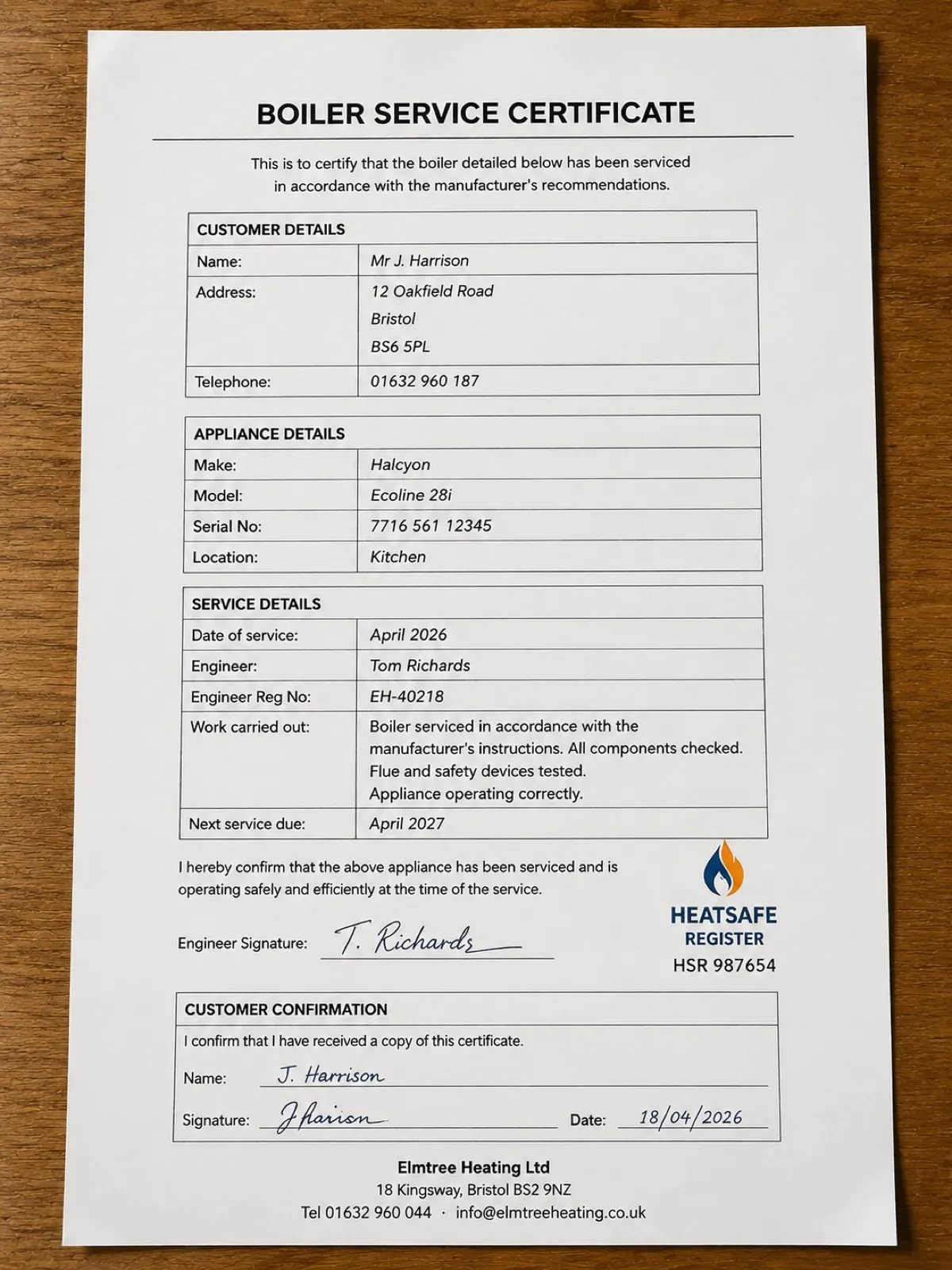
The building’s own paperwork. Gas and electrical certificates, the boiler service record, any guarantee on the roof or the damp course. Insurers ask about maintenance, and a service record answers it.
Where it lives matters. A record stored only on the machine in the flooded room is not a record. Anything you’d rely on for a claim needs to exist somewhere off the premises.
Then keep it current
Once a year, and when something changes — a new appliance, a big purchase, work done on the house. The most common failure isn’t having no record, it’s having one from four years and two kitchens ago.
Where a record like this can live
The awkward part is that it’s a pile of photographs you hope never to need, which is exactly the pile that ends up unsorted in a camera roll and unfindable on the day it matters.
Keeplea is built for that shape. Photograph the plate, the receipt, the certificate, the valuation, and each comes back as what it is — a model, a serial, a date, an issuer — rather than as a picture you have to hunt for by month. It syncs, so a fire or a flood at home doesn’t take the record with it, and you can hand over a specific item’s details without scrolling through your life to find them.
Start with the appliances. If you do nothing else on this page, it’s the plates — they’re the numbers you’ll be asked for and the ones that are hardest to reconstruct after the fact.