Which photos are worth keeping, and which are just admin
Deleting feels risky because you can't tell at a glance what's still live. One question sorts almost all of it.
The short version: ask one question of each picture — would I be annoyed in a year if this were gone? Memories almost always survive that. Admin shots almost never do, because the thing they refer to has usually already happened.
The reason a full camera roll feels stressful isn’t the storage warning. It’s that you can’t tell at a glance which is which, so every deletion feels like it might be a mistake.
Three lifespans
Forget categories like “screenshots” or “documents”. What actually decides whether to keep something is how long it stays true.
Permanent. Faces, places, the meal, the dog. These don’t expire, and they’re the reason you have a camera at all. Never the problem — they’re just hard to enjoy when they’re buried.
Long-lived facts. The boiler plate. The paint code. The wifi at your own house. The serial on the laptop. The size chart for the brand you buy from. These stay true for years and you will want them again, usually at an inconvenient moment.
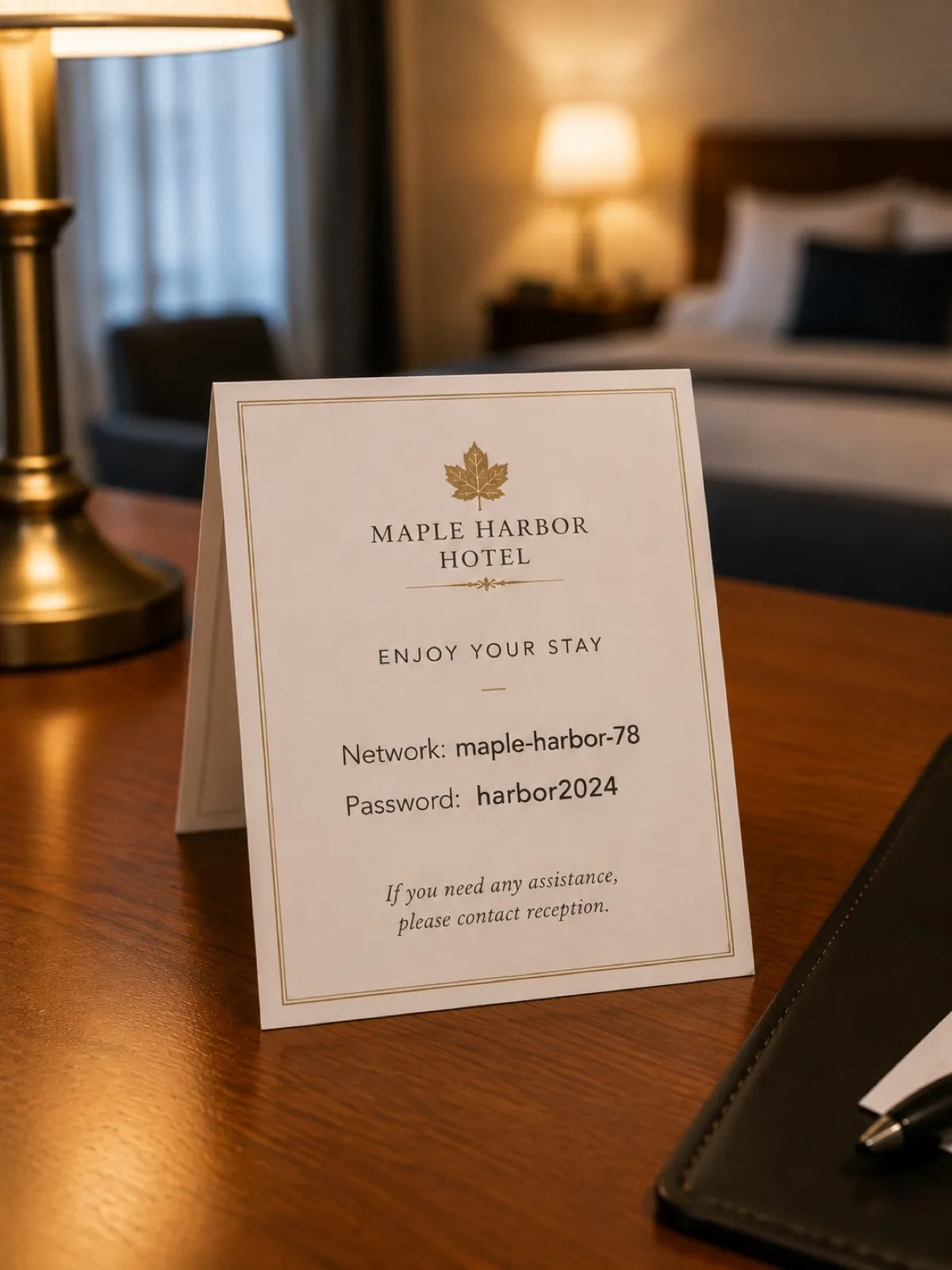
Already expired. The parking level from a trip in March. The hotel wifi. The confirmation you screenshotted. The address you needed until you arrived. The menu of a restaurant in another country. These were true for a day. This is the bulk of what makes a camera roll feel heavy, and almost all of it is safe to lose.
The test that sorts them
Would I be annoyed in a year if this were gone?
It works because it separates on future use rather than on how the picture looks. A blurry photo of a boiler plate is worth more than a well-composed shot of a menu you’ll never revisit — and no tidying app can tell you that, because it’s about your life, not the image.
Two refinements:
Durability is contextual. A wifi sticker in a hotel is disposable. The identical sticker on your own router is a long-lived fact. Same picture, opposite answer — which is why automatic cleanup tools get this wrong and why anything that deletes for you should be treated with suspicion.
“I might need it for a claim” is usually real. Photos of damage, of a rental’s condition at check-in, of what you owned before a flood — those look like admin and behave like insurance. Keep them, and keep them somewhere you could actually produce them from.
What to do with each
Permanent: leave them alone. They’re the reason the roll exists.
Expired: delete in bulk, by date range, without reading each one. If you can’t face it, at least stop scrolling past them — most people find the relief comes from the decision, not the disk space.
Long-lived facts: this is the only pile that needs a plan, and it’s the one everybody skips. Leaving them in the roll means you’ll be looking for them by date in three years, which is the same as not having them.
The pile that needs somewhere to go
A long-lived fact has an awkward property: you save it now and need it much later, with no idea when. That’s precisely the case a chronological stream handles worst.
The options are honest and short. Name them properly in a notes app, which works exactly as long as you keep doing it. Build an album per category, which is the same deal with more taps. Or keep them somewhere that reads them so you don’t have to file anything.
Keeplea is the third. Photograph the plate, the tin, the router, the certificate — in the app rather than the camera — and it reads what’s on it, so months later the boiler brings back the boiler with its model and serial still legible. Anything already in your roll can be shared in, or picked up in a one-time import where you choose the albums rather than handing over everything.
What it won’t do is decide for you. Nothing can, because durability depends on whose router it is.
Start here
Take the last two weeks. Sort them into the three lifespans — it takes about five minutes, and the proportions are usually a surprise. Most people find the middle pile, the long-lived facts, is small and much more valuable than they expected.
That pile is the one worth building a habit around. The rest is either precious and safe, or expired and harmless.